React Native

React Native with a WordPress GraphQL API

July 28, 20263 min read
Cover image for “React Native with a WordPress GraphQL API”

Key takeaways

  1. Share marketing and editorial content over WPGraphQL; keep transactional data elsewhere.
  2. Mobile stays its own product when offline, auth, or release cadence diverge.
  3. Typed operations + clear list/detail caching beat dumping REST into the app.
One content API. Two store fronts—when it fits.

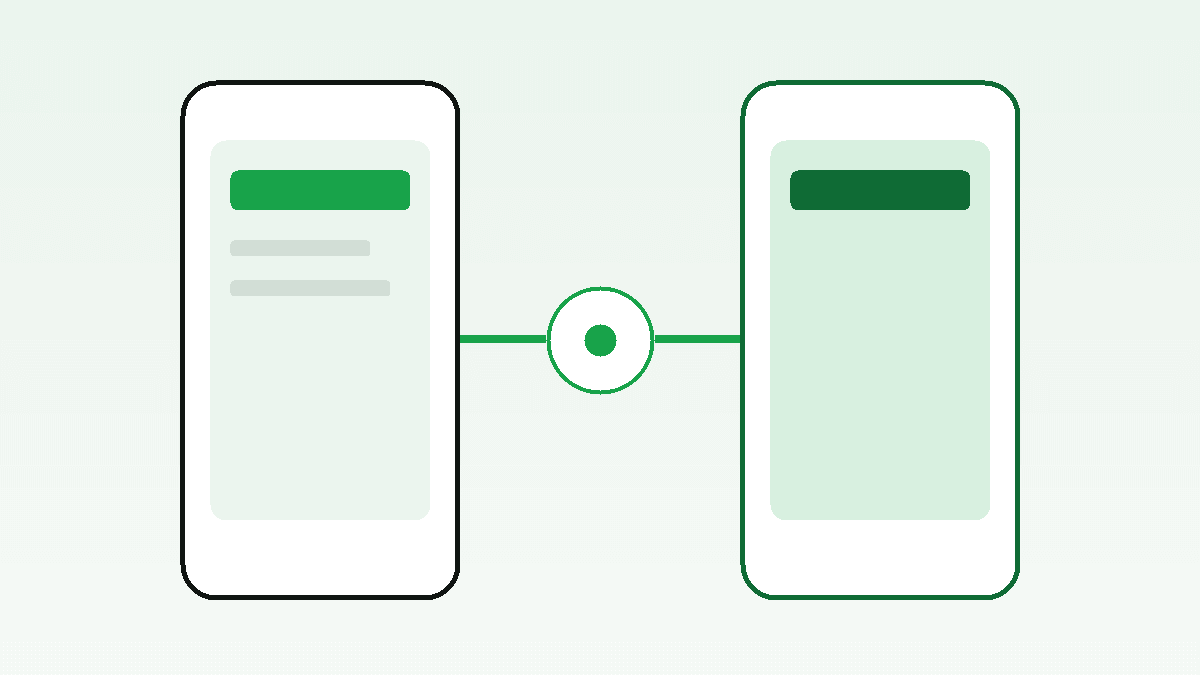
If you already run headless WordPress for the web, React Native can often consume the same WPGraphQL schema for marketing content, listings, and editorial stories. Authored once; shipped to web and stores.

Keep mobile its own product when:

  • The app needs transactional or offline-first data that does not belong in WordPress.
  • You are not ready for a headless web cutover and only need an MVP app.
  • Release cadence and ownership differ sharply between marketing and product teams.

Pattern that works well: typed GraphQL operations on the client, clear caching for lists vs detail screens, and auth/user data outside WordPress.

Learn more on React Native for iOS & Android.
Industry context

Why mobile sharing matters

Published research on mobile behavior and engagement—not CodeFern client guarantees.

Work with CodeFern

Ready to grow the stack?

Tell me what you are shipping—WordPress, a headless cutover, React Native, or a mix—and we will map a clear next step.